
Educational reading only. This site does not diagnose, treat, or promise outcomes.
About This Pelvic Floor Education Site
Men's Pelvic Fitness is an English-language reading resource for men in Indonesia. This page explains who writes the material, where it comes from, and how updates are handled.
What this site is
It is a reading resource. Each page explains a movement, describes the positions people commonly use, and collects the practical habits that support consistency. There is no coaching service behind it, no personal programme sold here, and no claim that reading these pages changes anything on its own.
The value is in clear instruction you can follow at home, without equipment and without an appointment. Pages are short by design, so a section can be read in a few minutes between other things, and the wording describes what you actually do rather than what happens inside the body.
You will find plain explanations of pelvic floor training, Kegel exercises, positions for practice, breathing cues, and the everyday habits that make a routine easier to keep. Where a topic runs past what reading can usefully answer, the page says so instead of filling the gap.

Limits we hold ourselves to
What this site is not
The boundary matters as much as the instruction. Four things this site never does, written plainly so there is no ambiguity.
Not a clinic
No appointments, no consultations, no hands-on assessment. Nothing here replaces a doctor or a physiotherapist who can examine you in person.
Not a diagnostic tool
We do not assess anyone, do not interpret symptoms, and do not tell you whether pelvic floor training suits your situation. That answer needs a clinician.
Not personalised advice
Every page is written for a general reader. Nothing here is shaped around your history, your medication, or your recovery timeline.
Not a place to guess
When a page touches that boundary, it points you toward a professional rather than filling the gap with a confident-sounding answer.
Where the material comes from
The content is written from published health education material on male pelvic floor anatomy and Kegel technique. Positions, breathing cues, and the warning against repeatedly stopping urine mid-flow all come from that body of guidance rather than from our own invention.
Where a specific source is relevant, we describe the point in the text and keep it visible. One example that shaped our starting pages: a 2024 men's pelvic health article recommending assessment before starting training. We explain the recommendation and leave it at that, without turning it into an argument for buying anything.
We prefer material from public health bodies, hospital education pages, and established health publishers over commercial wellness content. Those sources tend to describe exercises in measured terms and to mention limitations, which commercial pages often drop. When two sources disagree, we describe the disagreement instead of picking the version that sounds better.
References stay inside the text where they matter. We do not build a wall of citations to look thorough, and we do not present a single article as settled consensus when the guidance around it is still moving.
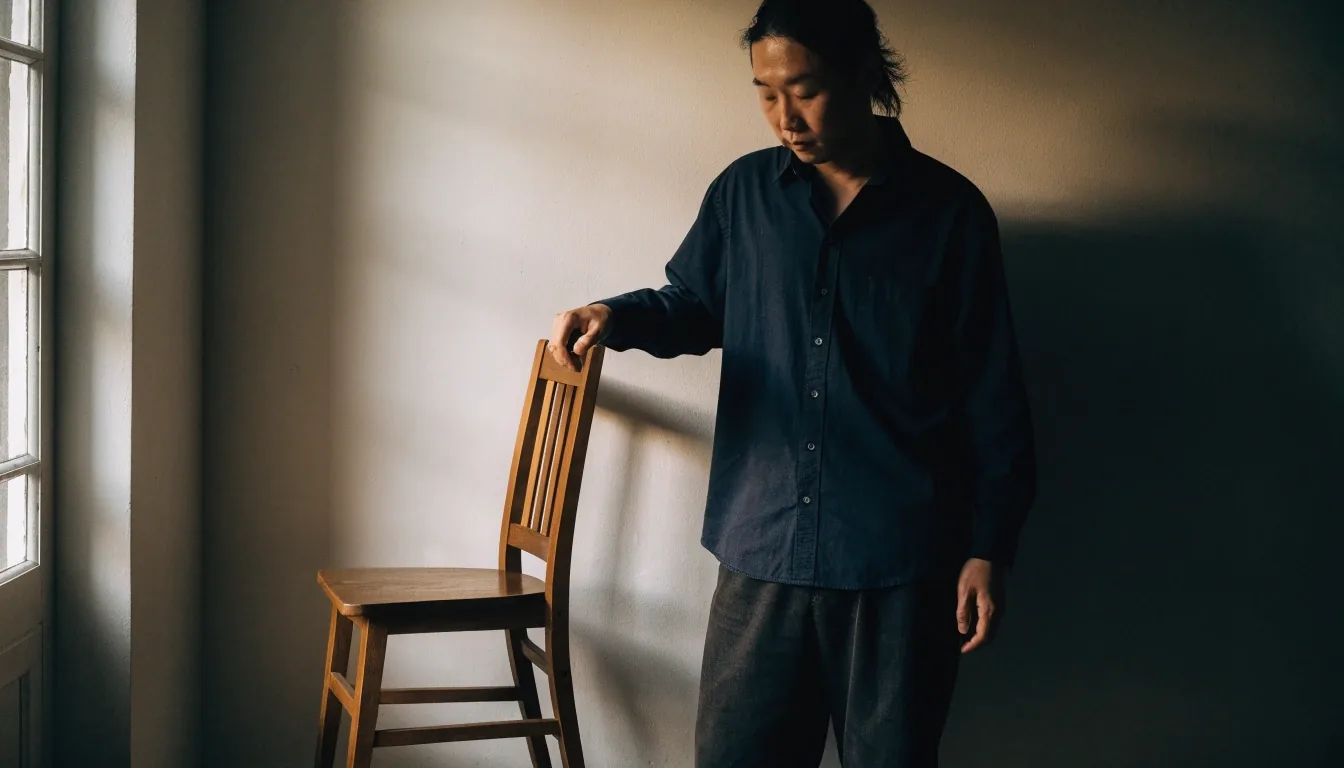
Reading in your own time
Why we write in plain English for Indonesia
The audience is men in Indonesia reading in English, often on a phone, often outside a clinical setting. That shapes the writing. We avoid dense terminology where a plain word works, keep sections short enough to read in a few minutes, and describe the exercise in terms of what you actually do rather than what happens physiologically.
Regional context matters too. Work schedules, long commutes, and shared living spaces all affect when and where someone can practise, so pages name the ordinary moments that fit a routine instead of assuming a private room and a free hour.
Pages are reviewed when the guidance behind them moves, not on a schedule.
How updates are handled
Pages are reviewed when the underlying guidance changes, or when a reader points out something unclear. We do not date-stamp every minor edit, because a tidy date on a page that has not actually changed says nothing useful.
Material that depends on a specific publication keeps the reference visible in the text. If a source is superseded, the page is rewritten rather than quietly adjusted, so a reader returning to it sees the newer wording.
If you spot an error, the contact page is the way to tell us. Messages about accuracy or clarity are the ones we act on first, and a report that names the page and the sentence helps more than a general note.

The movements described on this site need no equipment and no special room.
Who should not rely on this site
When a clinician is the right answer
Anyone with pain, recent surgery, a diagnosed condition, or symptoms that concern them should be talking to a clinician, not reading a website. The same applies if you have already tried pelvic floor exercises and something felt wrong.
This site can explain a movement and describe how it is usually taught. It cannot tell you what is happening in your body, and it will not pretend otherwise.

Reading is a starting point. An in-person assessment is a different conversation.
Advertising and independence
This site is educational. We do not sell supplements, programmes, or devices, and we do not present commercial products as necessary for pelvic floor training. The exercises described here require no equipment, and no page is written to lead you toward a purchase.
That independence is what allows a page to say a movement is difficult, that progress is slow for many people, or that a topic needs a clinician. A page that exists to sell something rarely says any of those things.
A note on what reading can do
Clear instructions help you understand a movement and practise it consistently. They do not replace an assessment, and they are not a treatment plan. Take the pages as guidance to read alongside professional care, not instead of it.
Questions readers send us most
Short answers to the three things people ask before they start reading the exercise pages.
Who writes the content on this site?
The site publishes educational material drawn from public health and hospital guidance on male pelvic floor anatomy and Kegel technique. It is not written as personalised medical advice.
Does the site recommend any products?
No. The exercises described require no equipment, and the site does not sell supplements, programmes, or devices.
How do I report an error or an unclear passage?
Use the contact page. Messages about accuracy or clarity are the ones we act on first.
Keep reading, or ask us directly
Start with the basics if you are new to pelvic floor training, or send a question if something on a page was not clear. Contact details are below, and the privacy policy explains how messages are handled.
Jl. Kemang Raya No. 28, Bangka, Mampang Prapatan, Jakarta Selatan, DKI Jakarta 12730, Indonesia