
Exhale on the effort
Breathe out as you take the weight, not after. It keeps the pressure from spiking as sharply and keeps the pelvic floor in the movement rather than fighting it.
Educational resource only — no diagnosis, no treatment, no promised results. Please consult your doctor or physiotherapist about your own situation.
Educational information only. Not a diagnosis, treatment plan, or substitute for advice from a qualified professional.
Everyday male wellness
Pelvic floor training sits inside a normal day, not outside it. Here are the ordinary habits that go alongside it: moving regularly, drinking enough water, and noticing how you sit and stand.
Men's Pelvic Fitness · Jakarta · 2026
Habits that hold the routine up
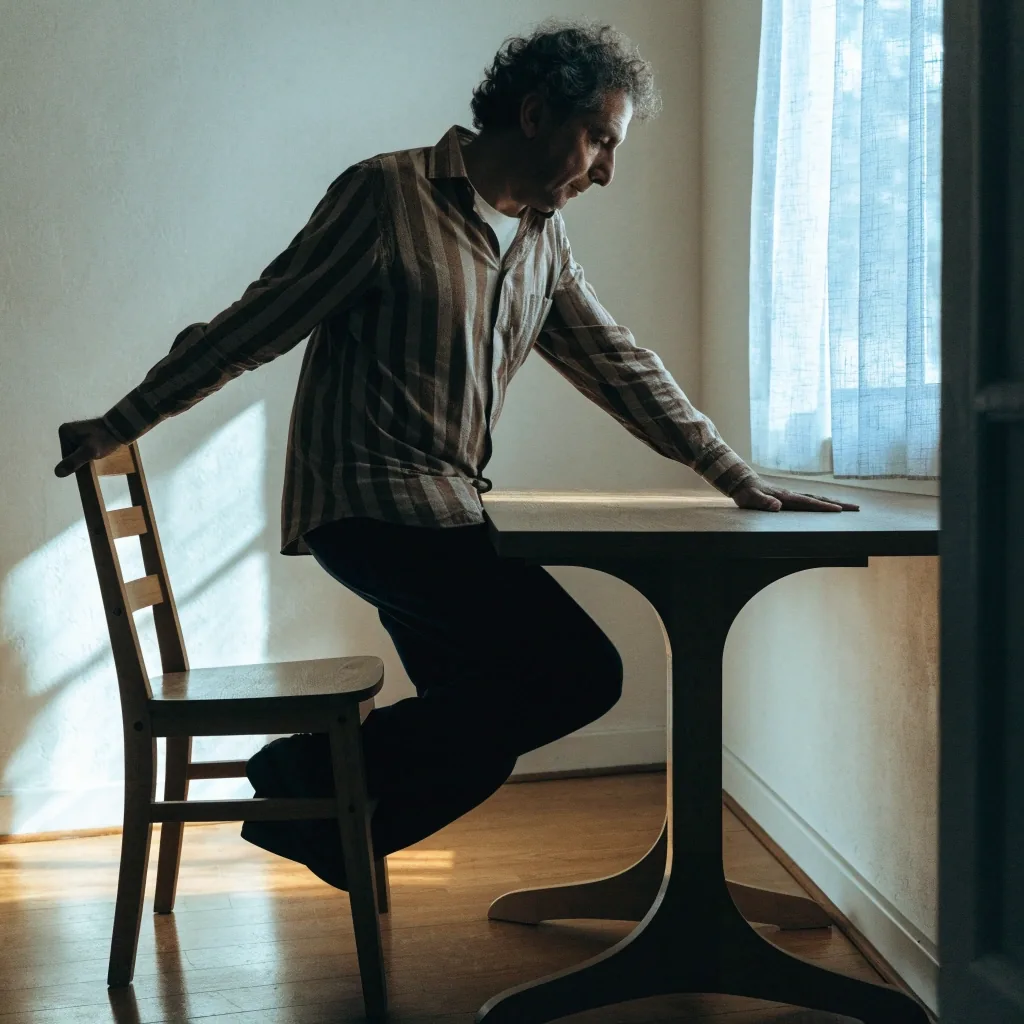
Sitting for hours puts the pelvis in one position and leaves the pelvic floor doing very little. Standing up for a minute or two every hour is a small change with a real effect on how your body feels by the end of the day.
If you work at a desk, tie the break to something you already do, such as finishing a call or a glass of water. The point is frequency, not duration.
A reminder that already lives in your day is easier to keep than a new alarm. Ending a call, refilling a bottle, or stepping out of a meeting all work.
The break is about changing position, not performing anything. A short walk to the kitchen and back is enough to take the pelvis out of its locked shape.
If your day is spent in traffic, plan one stop where you get out and stand. The same hourly rhythm applies whether you sit at a desk or behind a wheel.
Drinking enough water across the day is standard advice, and it interacts with bladder control in a way that surprises people. Cutting back on fluids to avoid trips to the toilet usually makes urine more concentrated, which irritates the bladder and increases urgency. Spreading intake across the day, rather than drinking a large amount in the evening, is the more practical approach. If you wake often at night, shifting fluid earlier is a common first adjustment.
Posture awareness is not about holding yourself rigidly. It is about noticing when you slump forward for an hour at a time or stand with your weight locked onto one hip. Both patterns change how the pelvis is positioned and how much the pelvic floor has to compensate.
Feet flat, weight even across both hips, and the pelvis upright rather than rolled back. A simple check when you sit down takes a second and is easy to repeat through the day.
Weight spread between both legs rather than locked on one hip. If you notice you have drifted onto one side, shift back. The correction is the habit.
An hour folded forward changes how the pelvis sits and how the pelvic floor has to work. Bring the phone up to eye level instead of dropping your head and chest to it.
Sit back into the seat rather than perching forward, with the backrest supporting the pelvis. Long commutes are posture time as much as desk hours are.
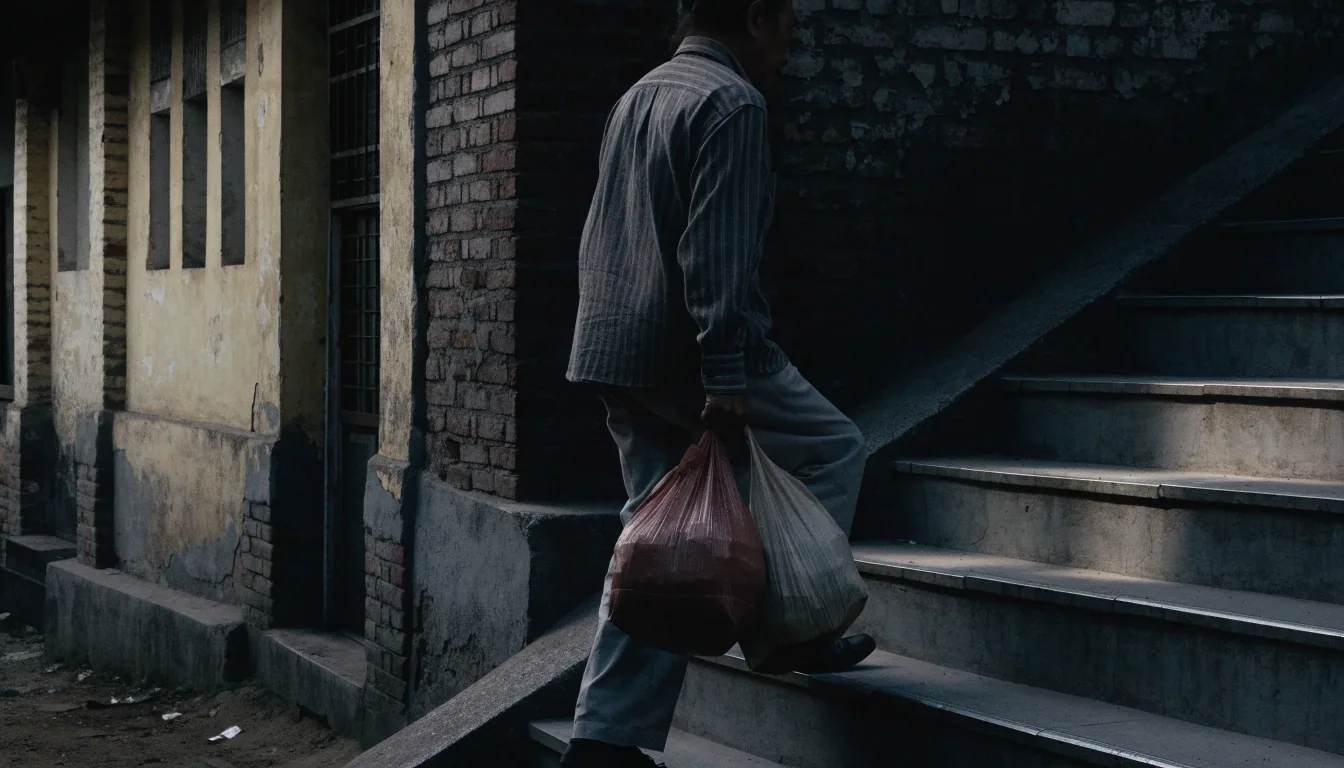
Walking, taking stairs, and carrying groceries all involve the pelvic floor responding to changes in abdominal pressure. That is useful exposure, and it is why everyday movement matters alongside structured reps.
You do not need a gym programme to support this. You need to not spend the entire day still.
Where it shows up
The pressure change is the same whether you are climbing four floors or lifting a bag of rice off the floor. What varies is how often you give the pelvic floor something to respond to, and how much of the day you spend motionless instead.
When you lift something, most people hold their breath and brace. A gentler approach is to exhale as you lift, which keeps the pressure from spiking as sharply and keeps the pelvic floor in the movement rather than fighting it.
This applies to a bag of rice as much as to a barbell. It is a small technique change that fits into things you already do.
Breathe out as you take the weight, not after. It keeps the pressure from spiking as sharply and keeps the pelvic floor in the movement rather than fighting it.
Lifting from further away makes the pelvic floor work harder against the load. Slide the box, bag, or basket in against your body before you stand up with it.
Bend at the knees and hips rather than folding forward at the waist. The lift becomes a leg movement, and the pelvis keeps a neutral position through it.
Two lighter trips ask less of the pelvic floor than one heavy one. This is not a rule about weakness; it is simply easier on the muscles doing the work.
Sleep and stress affect how the body feels day to day, and this page will not pretend otherwise. What is useful here is modest: a consistent bedtime and a few slow breaths before sleep are ordinary habits, not interventions.
If stress is high, the pelvic floor often sits tight without you noticing, which is one more reason the breathing cue in the exercise routine is worth keeping.
A steady sleep window is the one sleep habit worth holding onto before reaching for anything more elaborate. It costs nothing and needs no equipment.
A few unhurried breaths, longer on the out-breath than the in-breath. It is the same cue used in the exercise routine, so you are practising one skill in two places.
Notice whether the pelvic floor feels held tight. Noticing is the habit; the release usually follows on its own once you stop gripping.

These habits do not replace pelvic floor training and they are not a treatment. They matter because training happens inside a body that sits, lifts, and moves all day.
Our daily routine page covers the structured side, and this page covers the rest. Together they describe a normal week rather than a programme. If something feels wrong rather than merely untrained, that is a conversation for a qualified professional, not another set of reps.
Cutting back usually makes urine more concentrated and can increase urgency. Spreading fluids across the day, and shifting intake earlier if you wake at night, is the more common adjustment.
Not necessarily. Walking, stairs, and ordinary lifting already involve the pelvic floor responding to pressure changes. The habit that matters most here is not sitting still all day.
It changes how the pelvis is positioned and how much the muscles have to compensate. A quick check when you sit down is enough; there is no need to hold yourself rigidly.
No. They sit alongside it. The structured reps build the skill; the daily habits stop the rest of the day from working against it.
Nothing on this page diagnoses or treats anything. If you have pain, bleeding, or a sudden change in bladder or bowel control, that belongs with a qualified professional. For general questions about this site and how we write our material, you can reach us during working hours.
Reach us